Bare Skin, Bold Confidence: How the Japanese Philosophy of Hadakate Is Changing the Way American Women Think About Beauty
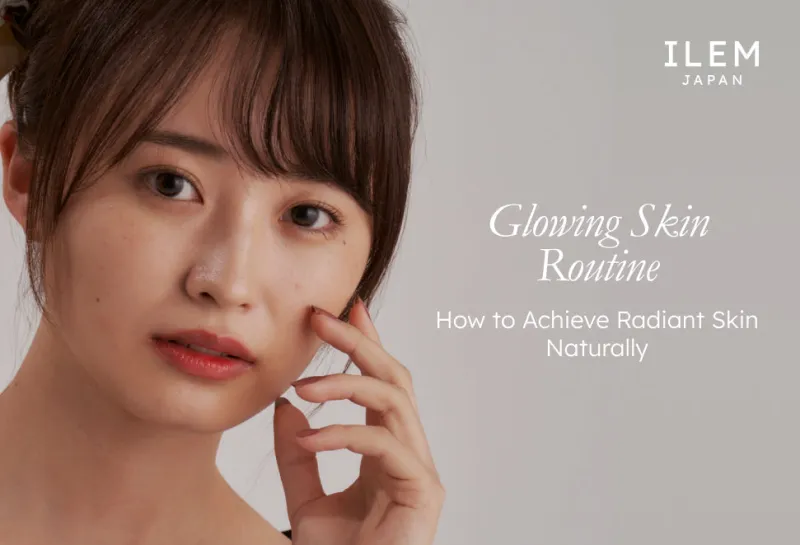
Photo: Japanese woman minimal makeup glowing bare skin morning skincare routine elegant, via us.ilemjapan.com
For generations, the American beauty ideal has been built around transformation. Foundation, concealer, setting powder—each product a tool for crafting a flawless surface, smoothing over what lies beneath. The ritual is so ingrained that many women have never paused to ask a quieter, more revealing question: what would my skin look like if I simply invested in it?
In Japan, that question has long had an answer. The concept of hadakate (肌活)—a compound of hada, meaning skin, and katsu, meaning activity or cultivation—describes a dedicated, ongoing commitment to nurturing genuine skin health. It is not a trend. It is a cultural orientation, one that places the quality of the skin itself far above any cosmetic applied to it. And increasingly, American women are discovering that this philosophy offers something their current routines cannot: lasting results that do not wash off at the end of the day.
What Hadakate Actually Means
The word katsu carries significant weight in Japanese culture. It appears in terms like shukatsu (career-building activity) and konkatsu (active pursuit of marriage), each describing a sustained, intentional effort toward a meaningful goal. When applied to the skin, hadakate implies the same seriousness—a deliberate, consistent practice of behaviors that improve the skin's condition from within.
This is not simply a synonym for skincare. Hadakate encompasses diet, hydration, sleep hygiene, stress management, and sun protection alongside topical treatments. It is the understanding that luminous skin is an outcome, not a product. The Japanese woman who practices hadakate is not trying to disguise her complexion; she is actively building one worth revealing.
For a culture accustomed to the phrase "put your best face forward," this represents a quiet but profound reorientation. The goal is no longer the appearance of perfect skin. The goal is perfect skin.
Why Heavy Foundation Has Become a Conversation
The American cosmetics market has long thrived on full-coverage products. Walk the aisles of any drugstore or department beauty counter and the messaging is consistent: cover, conceal, correct. The implication—rarely stated, always felt—is that the skin beneath requires managing.
Yet a growing number of American consumers are questioning that premise. Skincare sales in the United States have surged over the past decade, while foundation usage among younger demographics has quietly declined. Dermatologists report that patients are arriving not to ask which makeup to wear, but how to improve what is already there. The cultural appetite for skin-first beauty is real, and it is growing.
Japanese beauty philosophy did not create this shift, but it has given it language, structure, and credibility. The concept of hadakate offers a framework that resonates precisely because it is not prescriptive about products. It is prescriptive about priorities.
The Skin-First Mindset in Practice
Adopting a hadakate orientation does not require abandoning makeup altogether. It requires reordering the hierarchy of your beauty routine so that skin health comes first and cosmetics become optional rather than essential.
Begin with honest assessment. Before reaching for coverage, observe what the skin actually needs. Is dullness the result of dehydration? Is uneven tone a response to sun exposure or disrupted barrier function? Japanese aestheticians are trained to read the skin as a living system, and that diagnostic approach is available to anyone willing to look carefully.
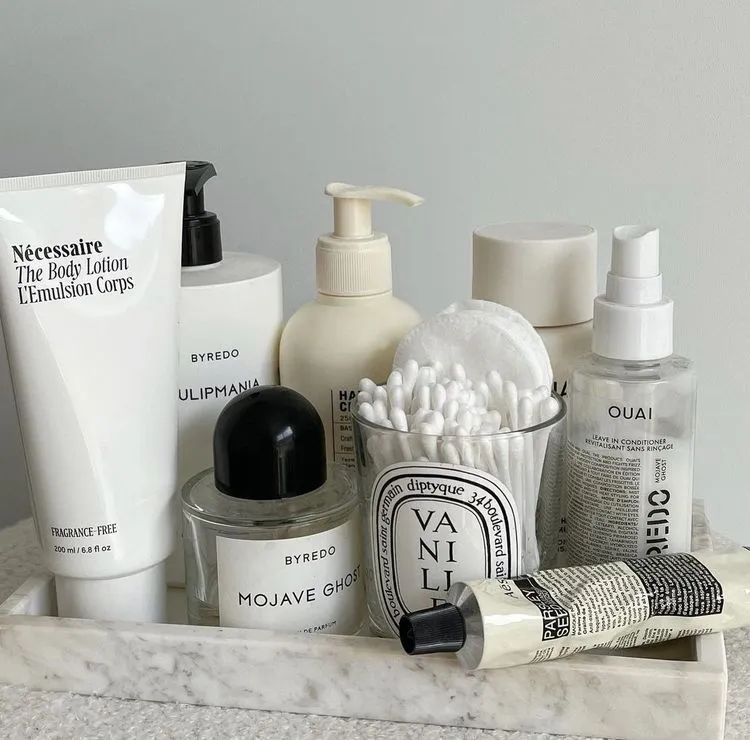
Invest in the foundation beneath the foundation. In Japanese beauty culture, the most important products are those that restore and maintain the skin's moisture balance. Lightweight essences, hydrating toners, and barrier-supporting serums take precedence over color cosmetics. The logic is elegant: skin that is properly nourished reflects light naturally, rendering heavy coverage unnecessary.
Introduce sun protection as a non-negotiable. Japanese women apply SPF with a consistency that has no real equivalent in American beauty culture. Hadakate treats UV protection not as a seasonal precaution but as a daily act of preservation. This single habit, practiced faithfully, does more to maintain an even, luminous complexion than any corrective product.
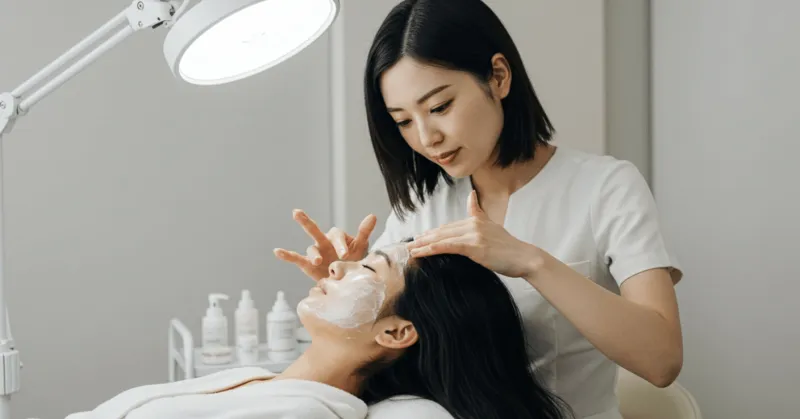
Slow the routine, deepen the intention. One of the most distinctive aspects of Japanese skincare is the deliberate pace at which products are applied. Patting an essence into the skin rather than rubbing it, pressing a sheet mask against the face with gentle, attentive hands—these gestures communicate care, and that care accumulates over time.
Transitioning Away from Heavy Makeup: A Gradual Approach
For women accustomed to full-coverage routines, the prospect of going foundation-light can feel vulnerable. The concern is understandable. Coverage has, for many, become synonymous with confidence. The hadakate philosophy does not dismiss that feeling—it offers a path through it.
Begin by replacing your foundation with a tinted moisturizer or a light BB cream on lower-stakes days. Allow yourself to become reacquainted with your actual skin. Notice what it looks like in different lighting, at different times of day. This period of observation is itself a form of hadakate—you are learning your skin as it is, not as it is corrected.
As your skincare routine deepens and your skin's condition improves, the desire for heavy coverage often diminishes organically. Women who commit to this process frequently describe a shift not just in their complexion but in their relationship to their appearance. The skin they once felt compelled to hide becomes, over months of consistent care, the skin they are proud to show.
The Broader Cultural Invitation
Hadakate arrives in the American beauty conversation at a moment when authenticity is increasingly valued. There is a growing fatigue with the performance of perfection—with the labor of maintaining an appearance that bears little resemblance to the face beneath it. Japanese beauty culture, with its emphasis on restraint, refinement, and long-term investment, speaks directly to that fatigue.
The most compelling aspect of this philosophy is its underlying respect for the individual. Hadakate does not prescribe a single ideal. It asks instead: what does your skin need to become its healthiest version? That question, answered honestly and pursued with patience, is the beginning of a beauty practice that no foundation can replicate.
At Gatinuma Esthe, we believe that elevated beauty is not constructed—it is cultivated. The Japanese understanding of hadakate embodies that belief with rare precision. For the modern American woman ready to look beyond coverage and toward genuine skin vitality, this philosophy is not a departure from beauty. It is its most refined expression.