Sixty Days in the Japanese Drugstore Aisle: An Honest Experiment in Gentle Skincare
I have spent roughly $1,400 in the last year on skincare that, in hindsight, I cannot fully account for. A vitamin C serum that oxidized before I finished it. A 'barrier repair' cream that stung. An exfoliating toner I used out of obligation rather than benefit. So when a colleague returning from Tokyo handed me a plastic bag of Japanese drugstore products—the kind sold next to the toothpaste for the price of lunch—I was skeptical, then curious, then, over sixty days, quietly converted.
Here is what happened, honestly, when I swapped my entire routine for pharmacy-shelf Japan.
The Setup: What I Replaced, and With What
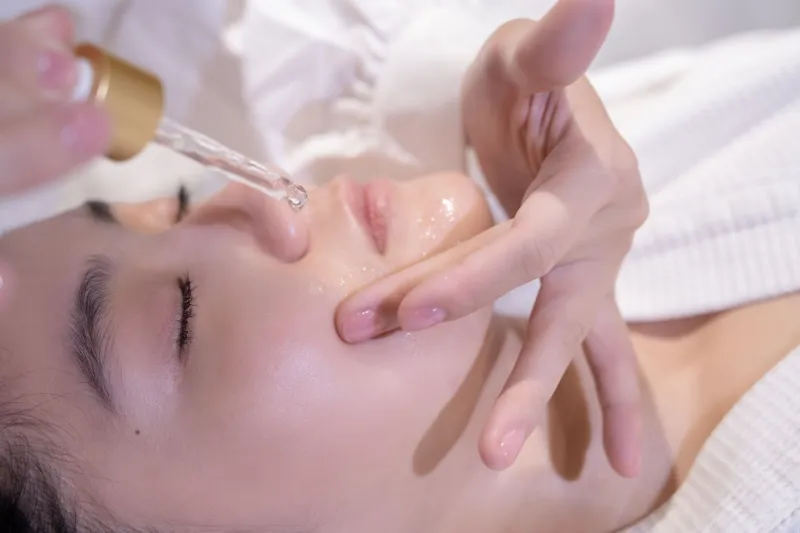
The rules were simple. Every product out; Japanese drugstore equivalents in; no additions for sixty days. My new lineup: a mild amino acid–based cleanser, a hydrating lotion (the watery first step Americans often mistake for toner), a mochi-hada moisturizer—the famously plump, bouncy 'rice cake skin' texture—and a lightweight gel sunscreen. Total cost: about $68. My previous routine, conservatively estimated: $310.
Weeks 1–2: The Adjustment Period Was Real
I will not pretend the first fortnight was glamorous. Without my usual exfoliating acids, my skin looked, to my eye, duller. I felt the familiar American panic—the urge to add something, fix something, intervene. I resisted, mostly because the instructions on the Japanese packaging were calm to the point of indifference. There was no promise of transformation. Just directions.
Around day nine, something shifted. The tight, squeaky feeling I used to get after cleansing—the one I had mistaken for 'clean'—disappeared. My cleanser, it turned out, had been stripping me for years.
Weeks 3–6: The Mochi-Hada Effect
By the second month, the change was visible to others. My skin developed a softness I associate with filters rather than faces—the plump, hydrated texture Japanese beauty culture calls mochi-hada, named after the dessert. Not glass-skin gloss. Not matte. Just supple, even, and calm.
Two observations stand out. First, the hydration came from layering light water-based products—lotion pressed in twice, then a modest moisturizer—rather than one heavy cream. Second, my perpetual redness around the nose faded. The gentle formulas contain fewer fragrance cocktails, fewer drying alcohols, fewer actives stacked on top of each other. American 'anti-aging' culture had been aggressively treating skin that mostly wanted to be left alone and kept moist.
Weeks 7–8: Stability
The final weeks brought no drama, which is precisely the point. No purging, no flare-ups, no 3 PM shine. My makeup sat better. I stopped thinking about my skin during the day. For someone who has checked her reflection in every office window since 2016, this was the most radical outcome of all.
What American Beauty Culture Gets Wrong About Gentle
The biggest lesson was cultural, not cosmetic. The American market treats gentleness as weakness—a product for 'sensitive skin types,' marketed in beige packaging with apologetic language. Japanese drugstore brands treat gentleness as the default standard, the baseline everything else is built on. Strong actives exist in Japan too, but they are additions to a gentle foundation, not replacements for it.
There is also the price. The entire sixty-day experiment cost less than one tube of a prestige American retinol. Some of my Japanese products have been reformulated and refined for decades—the hydrating lotion I used has been a bestseller since before I was born. That kind of quiet, iterative improvement is its own form of luxury.
Would I Stay?
I have kept the routine. I've added back one prescription retinoid at night, under the moisturizer, because my dermatologist and I agree on it—but the foundation remains the $68 drugstore shelf. My skin is calmer, softer, and cheaper to maintain than it has been in a decade.
The experiment did not give me new skin. It gave me back the skin I already had, minus everything I had been doing to it.