When Skin Becomes the Statement: How Japanese Beauty Culture Is Making Makeup Optional
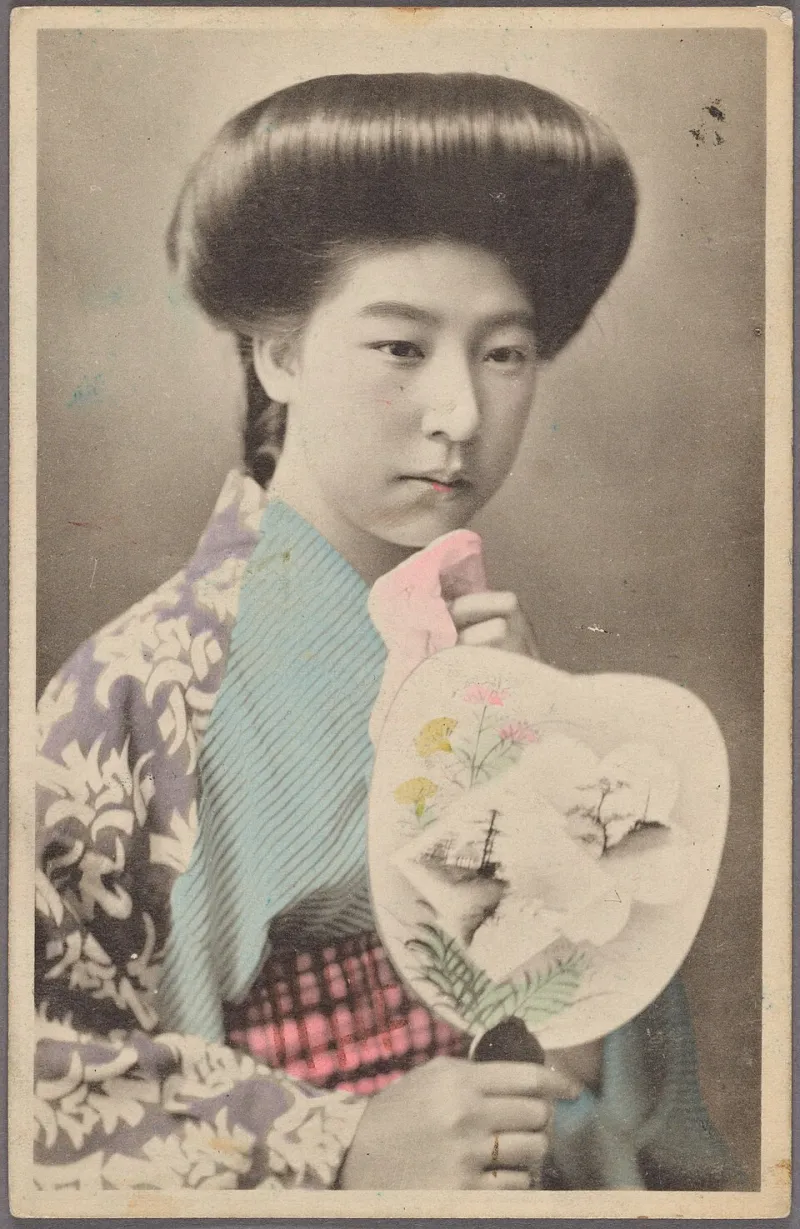
Photo: Scan by NYPL, Public domain, via Wikimedia Commons
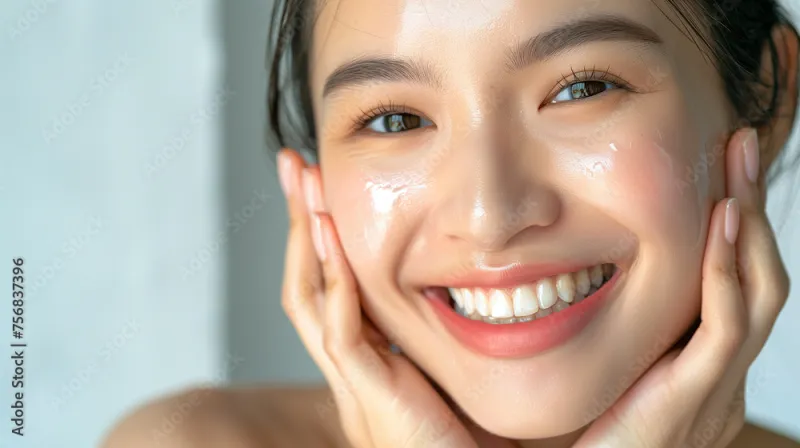
There is a particular kind of confidence that does not announce itself. It does not arrive in a bold lip or a sculpted contour. It surfaces quietly—in the luminosity of skin that has been genuinely cared for, in the ease of a woman who steps outside without reaching for a foundation brush and feels, without hesitation, entirely herself.
This is the confidence that Japanese beauty culture has long cultivated. And increasingly, it is the confidence that American women are beginning to seek.
The Philosophy Behind the Bare Face
In Japan, the aspiration is not flawless coverage. It is flawless skin. The distinction matters enormously. Coverage implies concealment—a layer placed over something one would prefer others not to see. Flawless skin, by contrast, is a declaration. It signals discipline, attentiveness, and a kind of self-respect that no product can simply apply over another.
Japanese beauty professionals often speak of hadazawari—a term that refers to the texture and feel of skin, the tactile quality that communicates health before any color or finish is introduced. When skin achieves a certain standard of hadazawari, makeup becomes less a necessity and more an artistic choice. Women wear it when they wish to. They set it aside when they do not. Neither decision requires apology.
This is a profoundly different relationship with cosmetics than the one many American women have inherited. In the United States, foundation has long been treated as a baseline—something applied before the day begins, almost reflexively. The Japanese approach inverts that logic entirely: the skin itself is the foundation, and everything else is optional embellishment.
How Japanese Professionals Assess 'Skin Readiness'
At Gatinuma Esthe, the consultation process begins not with a discussion of which products a client prefers, but with a careful assessment of the skin itself. Japanese beauty professionals use a framework that might be described as skin readiness—an evaluation of whether the complexion has reached a state where it can present itself honestly, without the mediation of cosmetics.
This assessment considers several distinct qualities. Hydration levels are examined not merely on the surface but in terms of how moisture is retained throughout the day. Skin tone evenness is evaluated in natural lighting, where subtle discoloration or dullness becomes apparent. Texture is assessed by touch as much as by sight—smooth, supple skin reflects light differently than skin that is dehydrated or congested, and that difference is immediately legible to a trained eye.
Only after this evaluation does a Japanese aesthetician begin to recommend a skincare regimen. The goal is not to sell a product. The goal is to bring the skin to a point where the client herself begins to notice that her makeup bag is opening less frequently—not because she has been instructed to wear less, but because she simply feels less compelled to.
This is the Gatinuma effect in practice: a gradual, deeply personal realization that genuine skin quality changes what feels necessary.
Why American Women Are Rethinking the Baseline
The cultural moment in the United States is, perhaps, unusually receptive to this philosophy. A growing number of American women—across age groups and skin types—have begun questioning the assumption that a full face of makeup is a prerequisite for professional or social visibility. The so-called "no-makeup makeup" trend gestured toward this, but it stopped short of the more radical Japanese proposition: that the skin, in its authentic state, is sufficient.
What makes the Japanese approach compelling is that it does not ask women to simply embrace imperfection and call it confidence. That framing, while well-intentioned, can feel dismissive of the very real concern that skin health represents. Instead, the Japanese model says: invest in your skin seriously, rigorously, and with patience—and then allow the results to speak.
The investment is real. It requires consistency. It requires selecting products that genuinely serve the skin's needs rather than those that promise dramatic overnight transformation. It requires understanding that the skin is a living organ that responds to care over time, not a surface to be managed crisis by crisis.
For many American women accustomed to a reactive skincare approach—treating breakouts when they appear, addressing dryness when it becomes uncomfortable—this represents a meaningful shift in orientation. Japanese beauty culture asks women to be proactive, attentive, and, above all, patient.
The Confidence That Follows
What women who commit to this approach consistently report is not merely improved skin. They report a changed relationship with their own reflection. When the skin is healthy—genuinely, visibly healthy—the mirror becomes less fraught. Morning routines shorten. The anxiety of being seen without makeup diminishes, not because standards have been abandoned, but because the skin has risen to meet them.
Japanese beauty professionals describe this transition as one of the most rewarding aspects of their work. The moment a client begins to arrive at appointments with less makeup on her skin—not because she was told to, but because she chose to—is understood as a marker of genuine progress. It signals that the client has internalized the philosophy, not simply followed a protocol.
For American women navigating a beauty culture that has historically equated more product with more care, this simplicity can feel almost radical. But it is, at its core, a deeply practical proposition: when the skin is well, less is needed to protect it, correct it, or conceal it.
Beginning the Shift
Adopting this mindset does not require dismantling an existing routine overnight. Japanese aestheticians typically recommend beginning with an honest evaluation of what the skin genuinely needs—not what it has always received, but what would actually serve it. This often means simplifying before adding, and listening to the skin's responses with more care than has previously been extended.
It also means adjusting expectations around timelines. Skin that has been under-nourished or inconsistently treated will not transform in a week. The Japanese commitment to long-term skin health is inseparable from an acceptance that meaningful results arrive gradually, and that the patience required is itself a form of respect for one's own body.
When that patience is honored, something shifts. The skin begins to present itself differently. And the woman looking back from the mirror begins, perhaps for the first time, to consider that she might not need to change very much at all.