The Evening Soak: How Japan's Bathing Tradition Quietly Repairs Skin and Mind

In most American homes, the bathtub is a decorative object—used twice a year, otherwise collecting dust and sample-size bottles. In Japan, the bath is the center of the evening. Not a luxury, not an indulgence, but a nightly institution with rules, rhythm, and a surprising body of evidence behind it.
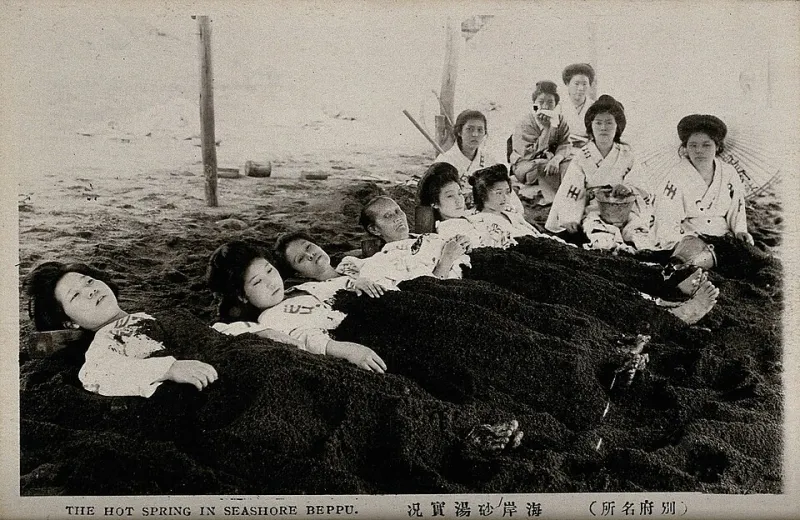
The distinction begins with language. The ofuro is not about getting clean. Washing happens first, outside the tub, on a small stool with a handheld shower. The soak that follows is purely for the body and mind: deep, hot, and unhurried. It is this separation—cleanse, then soak—that turns an ordinary bath into something closer to therapy.
What the Science Says About Hot Water
Immersion in water around 40–41°C (104–106°F) for ten to fifteen minutes produces a cascade of physiological effects. Core temperature rises, then falls after you exit—a drop that research links to faster sleep onset and deeper slow-wave sleep. Circulation increases, delivering blood to the skin's surface and supporting its natural repair processes overnight.
There is also the steam. A hot bath generates warm, humid air that softens the outermost layer of skin and loosens congestion in the chest and sinuses—why a bath feels like relief during a cold winter in Chicago or a dry stretch in Denver. For skin specifically, regular warm soaking supports hydration and can ease the muscle tension that contributes to tension-related jaw and forehead tightness.
And then there is the stress dimension. Japanese researchers studying gokuraku-yoku—the 'paradise bath'—have found that unhurried evening soaks correlate with lower reported stress and improved mood. In a country where bathing is a nightly habit rather than an occasional treat, the bath functions as a daily boundary between work and rest. Americans, who average among the shortest vacation times in the developed world, might consider what a fifteen-minute nightly retreat could do.
Recreating the Ofuro in a Standard American Tub
You do not need a soaking tub or a trip to Hakone. You need sequence, temperature, and silence.
Step 1: Wash first. Shower or cleanse at the sink before touching the tub. This keeps bathwater clean and, more importantly, shifts your mind into ritual mode. The soak is the reward, not the chore.
Step 2: Get the temperature right. Aim for warm-hot, around 104°F—hotter than most Americans run their baths, but not scalding. A basic floating thermometer removes the guesswork.
Step 3: Soak to the shoulders. Japanese tubs are deep precisely so water reaches the neck. In a standard tub, lie back and let the water cover your shoulders; shoulder immersion measurably increases the relaxing effect on the nervous system.
Step 4: Ten to fifteen minutes, no phone. Set a gentle timer if needed. This is the silence portion of the ritual. No scrolling, no podcast. The bath works because it is boring in the best way.
Step 5: Do not rinse—or rinse lightly. If you've added a bath powder (nyuatori), Japanese mineral soaks that soften water and mimic onsen chemistry, pat dry and let the minerals keep working. Follow within three minutes with a moisturizer while skin is still damp—this is when hydration absorption is at its peak.
Small Additions That Deepen the Ritual
A single drop of hinoki cypress oil transforms a bathroom into something resembling a mountain inn. A cool room and a warm bath make an effective contrast for sleep. And in winter, a cup of hojicha after the soak extends the wind-down by another twenty minutes.
The ofuro's lesson is not really about water at all. It is that recovery should be scheduled nightly, not saved for a vacation you keep postponing. Draw the bath. Turn off the phone. Let the day end the way it was always meant to.